Planers – Precision Thicknessing for Professional Woodworking
Introduction
In woodworking, consistency in thickness and surface finish is essential for producing high-quality products. This is where the planer becomes an indispensable machine. Designed to create uniform thickness and smooth surfaces, planers are a core part of any professional woodworking workshop.
At 10 Blade Pro Machinery, we supply unused, factory-sealed industrial woodworking equipment built for professionals who value precision, durability, and long-term performance. With dealer-level pricing, no tax, and no freight charges, we make premium machinery accessible to workshops looking to improve efficiency and output quality.
What is a Planer?
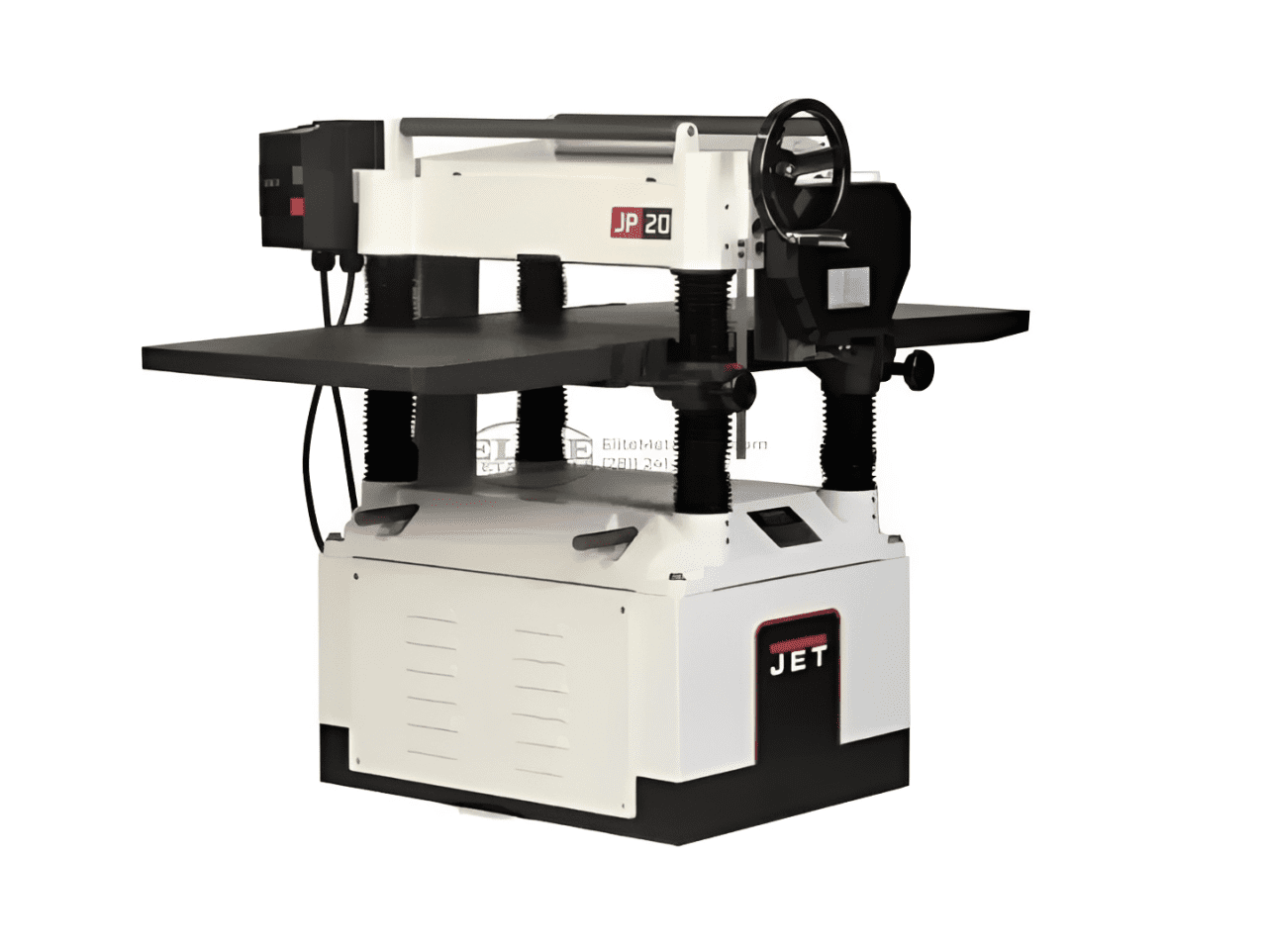
A planer is a woodworking machine used to reduce the thickness of a board and create a smooth, even surface. It works by feeding wood through a set of rotating blades that shave off thin layers of material from the top surface.
Unlike jointers, which flatten and square boards, planers are specifically designed for achieving consistent thickness across the entire workpiece.
Key Functions of Planers
1. Thickness Uniformity
The primary function of a planer is to ensure that all boards are brought to a uniform thickness. This is crucial in furniture making and cabinetry, where consistency is key.
2. Surface Smoothing
Planers remove roughness and imperfections from lumber surfaces, leaving behind a smooth finish that is easier to work with in later stages of production.
3. Material Preparation
Planers help prepare raw lumber for assembly by ensuring that all pieces match in size and surface quality. This improves alignment and fit in final products.
Advantages of Using Planers
1. Improved Accuracy
Planers ensure consistent thickness across multiple boards, which is essential for precision woodworking and structural stability.
2. Time Efficiency
By automating thickness reduction, planers significantly reduce manual sanding and shaping time, improving overall workshop productivity.
3. Better Finish Quality
A smooth, uniform surface produced by a planer reduces the need for extensive finishing work, saving both time and resources.
Industrial Applications
Planers are widely used in furniture manufacturing, cabinetry, flooring production, and construction woodworking. They are essential in any environment where raw lumber is processed into finished components.
In industrial settings, planers ensure consistency across large production batches, helping maintain quality standards and reducing material waste.
10 Blade Pro Machinery Advantage
At 10 Blade Pro Machinery, we provide planers that are selected for precision engineering, durability, and industrial reliability. Our machines are designed to support both small workshops and large-scale manufacturing units.
We focus on delivering equipment that enhances productivity while maintaining high-quality output standards.
Conclusion
Planers are essential machines for achieving consistent thickness and smooth finishes in woodworking. They play a critical role in preparing material for assembly and ensuring professional-grade results.
With 10 Blade Pro Machinery, workshops gain access to high-performance planers that improve efficiency, accuracy, and overall production quality—making them a vital investment for modern woodworking operations.
References
- Wikipedia – Wood planer overview
- Wood Magazine – Planer uses and techniques
- Fine Woodworking – Thicknessing methods
- Popular Woodworking – Workshop machinery guide
- Sawinery – Planer function explained
- ToolBox Buzz – Woodshop equipment efficiency
- Industrial woodworking journals – Material processing systems